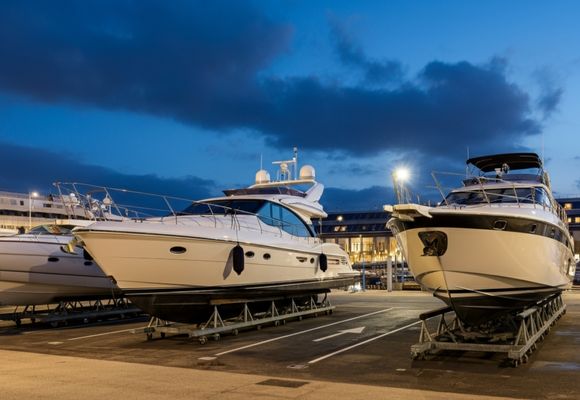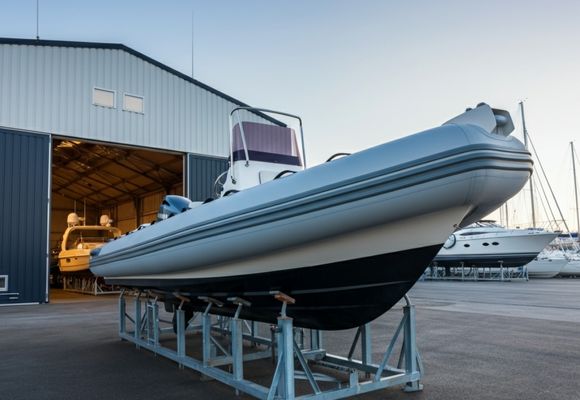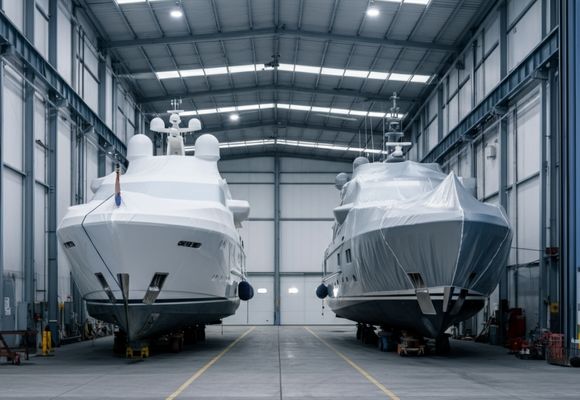
Small issues that go unnoticed while on the water can turn into unexpected and major dangers in the open sea. The most effective way to minimize these risks is to make efficient use of the time your boat is on land. Comprehensive dry dock boat maintenance provides much easier access to the engine, electrical, and hull systems. This process is not only a golden opportunity for safe sailing but also for long-term cost savings.
Boat Engine Maintenance for a Long-Lasting and Safe Voyage
The engine is the heart of your boat. A detailed pre-season inspection reduces the risk of getting stranded in the middle of the sea to almost zero. The first step for complete boat engine maintenance is draining the old oil and replacing the filters; otherwise, the oil that has sat at the end of the season can damage the engine from the inside.
Following this, the seawater lines in the cooling system should be checked, the impeller (water pump rubber) must be replaced, and the thermostat should be cleaned. Finally, the area around the engine block should be scanned for fuel, oil, or water leaks; the tension and wear of belts, hoses, and clamps must be carefully examined.

Uninterrupted Energy: Boat Electrical System Inspection
The corrosive effect of salty air and moisture on electronic components can never be ignored. Regular boat electrical system inspections prevent potential fire risks and ensure the smooth operation of vital navigational devices.
Cleaning the battery terminals of corrosion and measuring their charge-holding capacity is the most fundamental step at this stage. Worn or hardened cables passing through damp areas like the bilge and engine room should be identified and their insulation renewed. Additionally, fuse and switch panels must be inspected for oxidation, waterproof seals should be replaced, and loose connections must be tightened.
The Foundation of Performance and Safety: Boat Hull Inspection
When the boat is on land, you are in the only timeframe where you can see the underwater section in detail. With an effective boat hull inspection, you can easily prevent structural weaknesses and unnecessary speed loss.
On fiberglass hulls, osmosis bubbles caused by water absorption and hairline cracks on the gelcoat should be carefully scanned. After scraping off the old paint and smoothing the surface, the correct antifouling paint must be applied to prevent marine growth. For speed and maneuverability, bends in the propeller, cavitation marks, shaft clearance, stern tube bearings, and anodes (zincs) must be thoroughly inspected.
Conclusion
Regular investments in the engine, electrical, and hull sections return to you as high performance, top-level safety, and peace of mind throughout the season. Remember, a small problem whose maintenance is delayed can turn into a huge and costly crisis in the middle of the sea. To have a safe and enjoyable season, plan to pull your boat into the dry dock now and create your own maintenance checklist by consulting with an expert marine service.